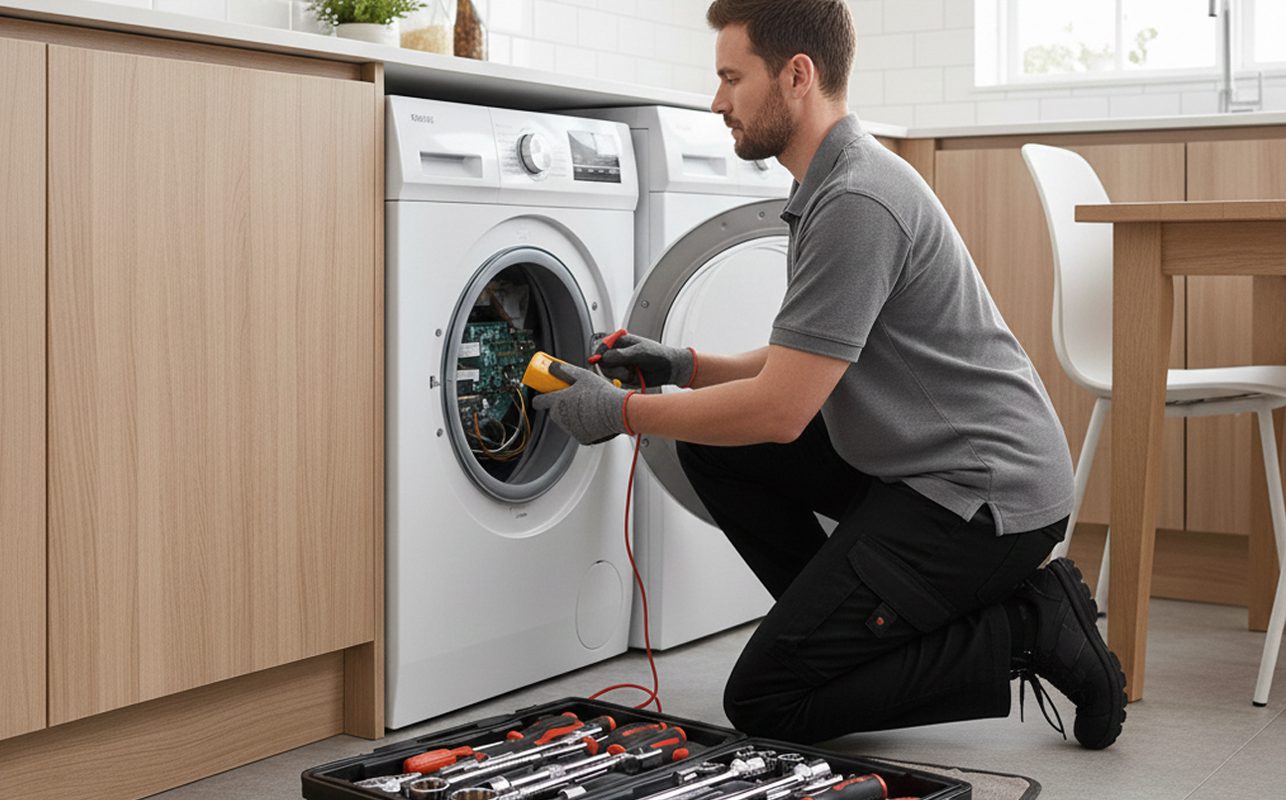
Electricity is essential to modern life, but it's also potentially lethal. Unlike a wonky shelf or uneven grout, mistakes with electrical work can kill — either through electrocution or by causing fires. In the UK, electrical work is also heavily regulated, meaning some DIY jobs aren't just dangerous, they're actually illegal without the proper qualifications.
Here's what you absolutely must leave to a qualified electrician, no matter how handy you are with a screwdriver.
Understanding Part P of the Building Regulations
Since 2005, Part P of the Building Regulations has governed electrical work in England and Wales (Scotland and Northern Ireland have similar rules). This law exists for one reason: to keep people safe.
Part P divides electrical work into two categories: notifiable and non-notifiable. Non-notifiable work includes minor jobs like replacing a socket front, light switch, or ceiling rose on an existing circuit. You can legally do these yourself, though it's not necessarily wise if you lack experience.
Notifiable work, however, must either be carried out by a registered electrician or inspected and certified by Building Control. This includes pretty much any work in kitchens, bathrooms, or outdoors, plus any new circuits or work on consumer units. Breaking these rules can invalidate your home insurance, cause problems when selling your property, and result in a hefty fine.
New Circuits and Consumer Unit Work
Your consumer unit (fuse box) is the heart of your home's electrical system. Any work here requires serious expertise and must be certified. This includes:
- Installing or modifying any circuit breakers or RCDs
- Adding new circuits for additional sockets, lighting, or appliances
- Replacing an old fuse box with a modern consumer unit
- Any repairs or modifications to the consumer unit itself
Modern consumer units include life-saving protection like RCDs (residual current devices) that can trip in milliseconds if they detect a fault. Installing these incorrectly could mean they fail when you need them most. Only a registered electrician should touch your consumer unit.
Kitchen and Bathroom Electrics
Water and electricity are a deadly combination, which is why Part P takes special measures for these rooms. All electrical installation work in kitchens and bathrooms is notifiable and must meet strict safety standards.
In bathrooms specifically, there are zones that determine where electrical fittings can be installed and what type of protection they need. Getting this wrong could be fatal. Jobs that require a qualified electrician include:
- Installing new lighting, including extractor fans with integral lights
- Adding sockets or switches (with strict limitations on placement)
- Installing electric showers or heated towel rails
- Any work connecting fixed kitchen appliances like ovens or hobs
Even something as seemingly simple as moving a kitchen socket requires proper certification. When planning a kitchen or bathroom renovation, factor in electrician costs from the start and get multiple quotes to compare prices from local professionals.
Outdoor and Garden Electrics
Taking power outdoors introduces additional hazards: moisture, physical damage to cables, and greater distances from safety devices. All electrical installation work outside your home's walls is notifiable.
This covers garden lighting, power for sheds or outbuildings, electric gate motors, pond pumps, and outdoor sockets. The cabling must be rated for outdoor use, installed at the correct depth if buried, and protected by appropriate RCDs. Underground cables need to be mapped and documented so future gardeners don't accidentally dig through them.
Garden electrics might seem straightforward, but they require specific expertise. A qualified electrician will ensure everything is weatherproof, correctly earthed, and safely protected.
Complete Rewiring and Major Alterations
If your home hasn't been rewired in 25-30 years, it's likely due for an upgrade. Old wiring can be dangerous, with deteriorating insulation, insufficient earthing, and circuits unable to cope with modern electrical demands.
A full or partial rewire is a major job that must be carried out by a qualified electrician and properly certified. This includes installing new circuits throughout the property, upgrading to a modern consumer unit, and ensuring everything meets current regulations.
Similarly, any extension or loft conversion will need new electrical circuits installed. This work forms part of the overall Building Regulations approval for the project and must be certified. When planning such work, get quotes from several electricians as prices can vary considerably for larger jobs.
When to Call an Emergency Electrician
Some situations require immediate professional help. Never attempt DIY if you experience burning smells from sockets or switches, frequent tripping of your consumer unit, flickering lights throughout the house, or any signs of scorching around electrical fittings.
Similarly, if you discover old wiring types like cloth-covered cables or rubber insulation, stop what you're doing and call an electrician. These materials degrade over time and pose a serious fire risk.
Always verify that any electrician you hire is registered with a competent person scheme such as NICEIC, ELECSA, or NAPIT. They should provide certificates for all notifiable work, which you'll need to keep with your property documents. Taking the time to find a properly qualified electrician isn't just about following the law — it could save your life.